08 November 2026
Combining Beach and Bush: The Zanzibar to Serengeti Fly-In Safari
Presented by @getzanzibarflysafarireview
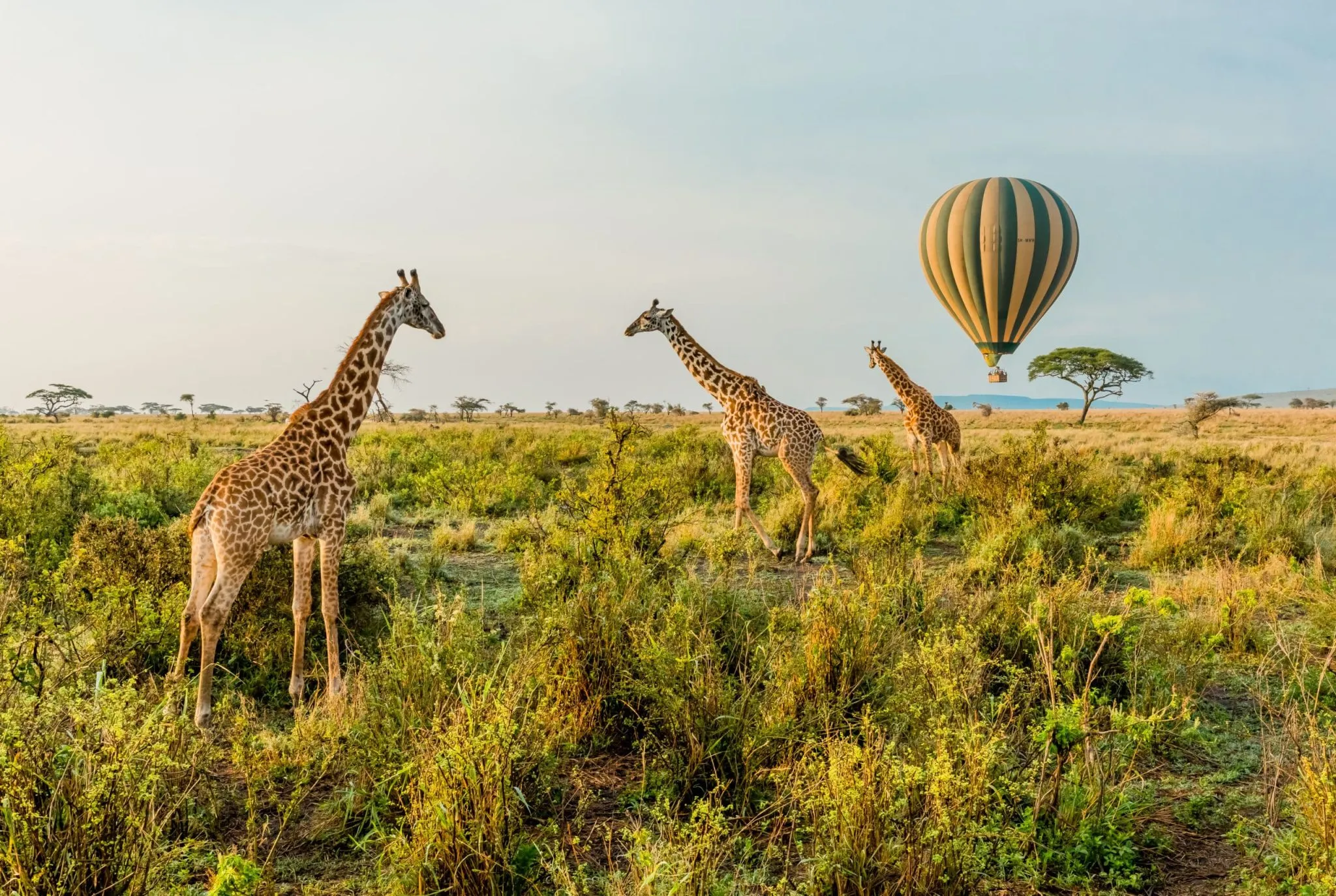
For many travelers, the idea of a safari in Tanzania evokes images of vast savannahs, acacia trees, and the Great Migration. Yet the journey to reach these iconic landscapes often involves long drives from the mainland coast. A different approach has gained popularity among those who want to maximize their time in the wild: a fly-in safari that connects the tropical island of Zanzibar directly to the northern safari circuit. This hybrid trip combines the relaxation of a beach holiday with the thrill of game viewing in some of Africa's most famous parks.
How a Fly-In Safari Works
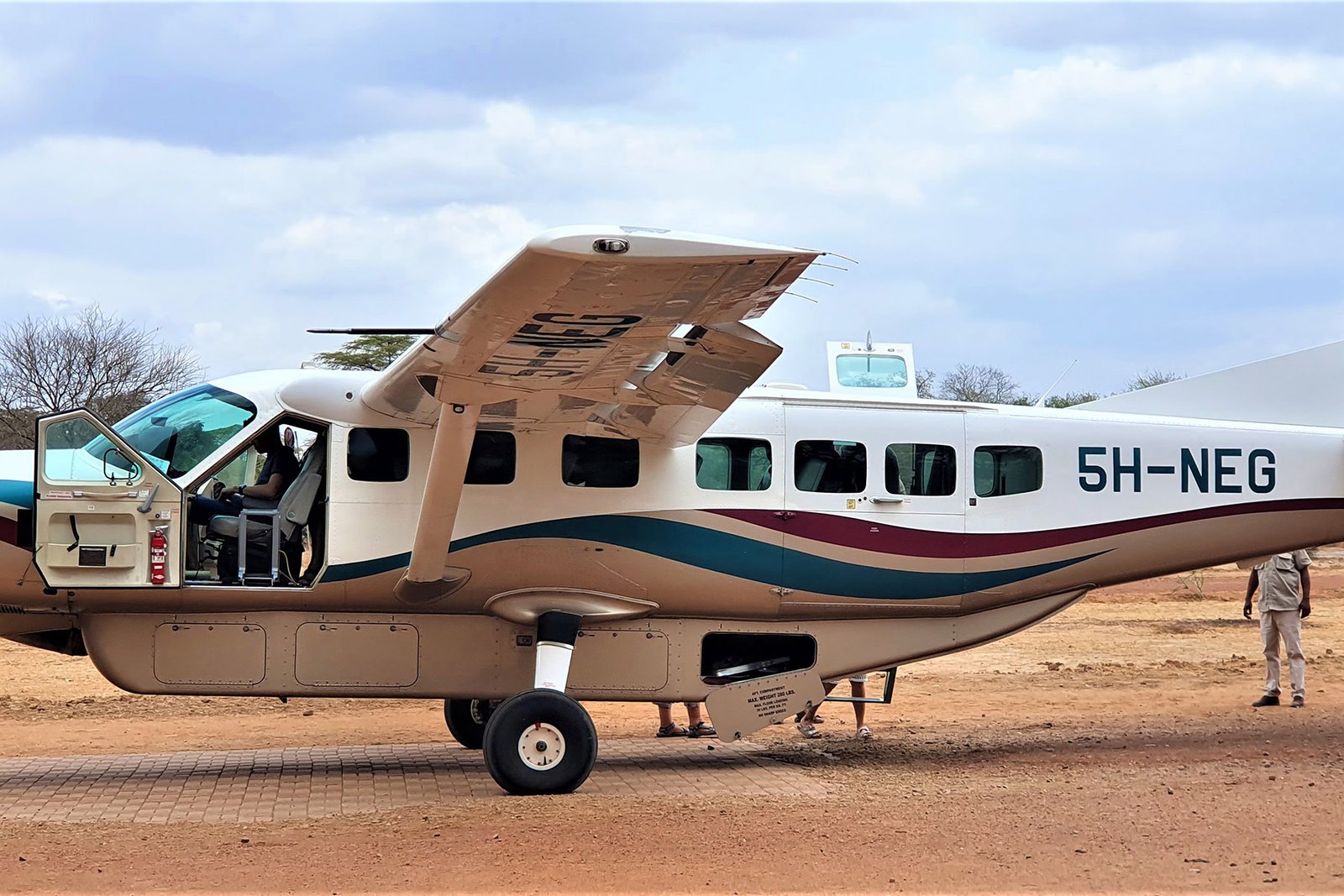
A fly-in safari is exactly what the name suggests. Instead of spending a full day driving from one destination to another, you take a short flight from Zanzibar to an airstrip near a national park. The most common route is from Zanzibar to the Serengeti ecosystem, with flights often landing at the Seronera airstrip or the Lobo airstrip depending on the season and the camp you are visiting. Once you land, a guide meets you and you begin your game drive almost immediately. The flight itself typically takes less than two hours, which is a significant time saving compared to the eight or more hours of driving across rough roads.
This arrangement works particularly well for travelers who are short on time but still want a genuine safari experience. It also appeals to those who prefer to avoid the fatigue of a long transfer. The flights are scheduled to align with morning departures from Zanzibar, so you can have breakfast on the island and be watching lions by late afternoon.
Why Start from Zanzibar?
Zanzibar has long been a destination for its white sand beaches, turquoise waters, and historic Stone Town. By adding a fly-in safari to the itinerary, the island becomes more than just a place to unwind. It becomes a launchpad for a broader Tanzanian adventure. The proximity of Zanzibar's airport to the main beach resorts means you can wake up, check in for a domestic flight, and be in the bush before lunch. This efficiency is the main draw of the Zanzibar fly-in safari concept.
Moreover, the flight path offers a unique aerial perspective of the continent. As the plane leaves the coast, you see the coral reefs and the island's green interior fade behind you. Then the landscape shifts to the browns and greens of the mainland, eventually revealing the vast plains of the Serengeti. It is a visual transition that sets the stage for the wildlife encounters ahead.
What to Expect on the Safari Side
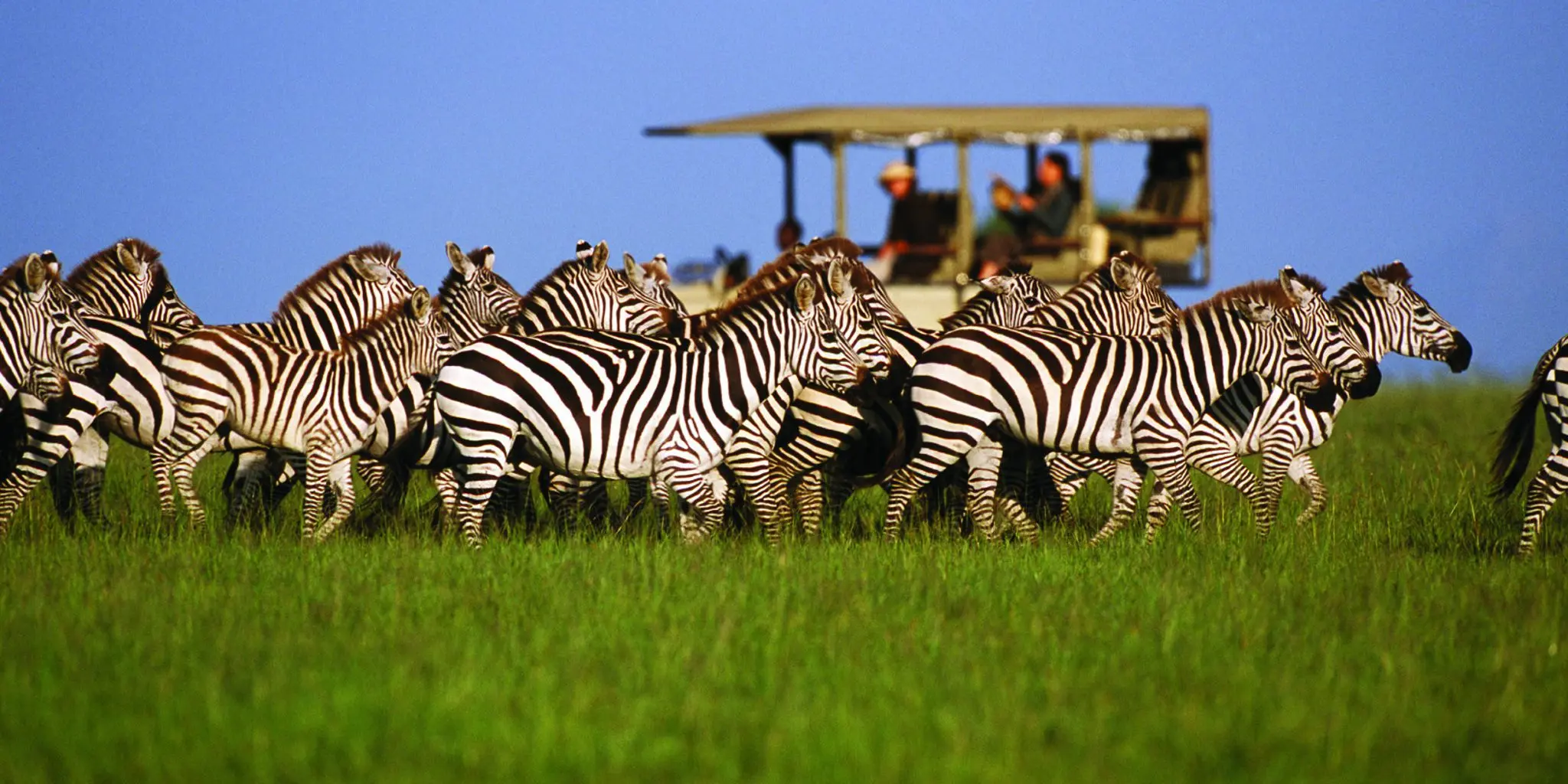
Once you arrive in the Serengeti, the safari experience is comprehensive. Most itineraries include game drives in the morning and late afternoon, when animals are most active. The park is home to the Big Five, though the real spectacle is the wildebeest migration. Depending on the time of year, you may see herds crossing rivers or gathering on the short grass plains. The guides are knowledgeable about animal behavior and will position the vehicle for the best views without disturbing the wildlife.
Some fly-in safaris also include a visit to the Ngorongoro Crater. This caldera is a self-contained ecosystem with a high density of predators and plains game. A descent into the crater floor offers a different kind of scenery, with a soda lake, hippo pools, and open grasslands. It is often paired with a stop at Olduvai Gorge for those interested in human origins, though that is not always included in every package.
Accommodation on the safari portion ranges from tented camps to lodges. Tented camps are more mobile and can be set up in remote areas, offering a closer connection to the environment. Lodges provide more permanent structures with amenities like swimming pools and en-suite bathrooms. Both have their advantages, and the choice depends on personal comfort preferences and budget.
Balancing Time Between Beach and Bush
One of the practical considerations when planning a combined trip is how to split your days. A common approach is to spend the first part of the holiday on Zanzibar, recovering from jet lag and enjoying the beach, then take the fly-in safari in the middle of the trip, and return to the island for a final few days of relaxation. This pattern works well because the safari segment is physically demanding with early mornings and bumpy roads, while the beach portion allows for rest and recovery.
The Zanzibar fly-in safari is also a good option for families or couples with different interests. One person can snorkel or dive while another reads by the pool, and together you share the safari experience. The flexibility of a tailor-made safari means you can adjust the length of both parts to suit your energy levels and curiosity.
Another factor to consider is the timing of the migration. The Serengeti ecosystem has two main seasons: the dry season from June to October, when animals concentrate around water sources and river crossings are common, and the green season from November to May, when the herds disperse across the southern plains. Your travel dates will influence what you see. For the best chance of witnessing a river crossing, plan your safari between July and September. For calving season and predator action, January and February are ideal.
Packing and Preparation
Packing for a trip that includes both a tropical island and a savannah safari requires some thought. On Zanzibar, lightweight clothing, swimwear, and sun protection are essential. For the safari, you need neutral-colored clothing, a warm jacket for the cool morning drives, and comfortable walking shoes. Binoculars and a camera with a zoom lens are highly recommended. Most lodges and camps provide mosquito nets and insect repellent, but it is wise to bring your own as well.
Health preparation includes checking whether any vaccinations are required. Yellow fever vaccination is recommended for travel to mainland Tanzania, and malaria prophylaxis is advised for the safari areas. Zanzibar has a lower malaria risk, but taking precautions is still sensible. Consult a travel clinic several weeks before departure.
Environmental and Cultural Considerations
Traveling between Zanzibar and the Serengeti by air does have an environmental footprint. Some operators offer carbon offset programs, and you can inquire about their sustainability practices. On the ground, responsible safari behavior includes staying on designated tracks, not feeding animals, and respecting the guide's instructions. The communities around the parks also benefit from tourism revenue, and choosing a local operator can help ensure that the economic benefits reach the people who live there.
On Zanzibar, the culture is a blend of African, Arab, and Indian influences. Taking time to explore Stone Town, visit the spice farms, or simply walk through the local markets adds depth to the trip. The fly-in safari is a way to connect two distinct worlds in one journey, without sacrificing the quality of either experience.
Is It Right for You?
This type of safari suits travelers who value efficiency and variety. If you have a limited number of vacation days and want to see both the Indian Ocean coast and the African savannah, the fly-in route is a smart choice. It also works well for those who dislike long drives or who have mobility issues that make extended road travel difficult. The trade-off is that you miss the scenic drive through the Ngorongoro highlands and the gradual build-up to the Serengeti. Some people enjoy that approach for its sense of journey. But if your priority is maximizing wildlife viewing time, the flight is the better option.
Ultimately, a Zanzibar fly-in safari offers a practical and memorable way to experience two of Tanzania's greatest attractions. The combination of beach relaxation and intense wildlife encounters creates a balanced holiday that appeals to a wide range of travelers. Whether you are a first-time visitor to Africa or returning for another adventure, this itinerary deserves serious consideration.